Guide
New dog at home: a checklist for the first weeks
Before your dog moves in, you need a registered microchip, a license and rabies vaccination, insurance, a vet and the basic gear: food and bowls, leash and harness, a bed, toys and grooming. Here's the full checklist.

A new dog at home is fun, and quite a lot to keep track of. It's easy to think about the leash and toys and forget the paperwork, or to buy everything at once and then find out half of it doesn't fit.
Here's a checklist you can go through before your dog moves in, split into what you have to do, what you need at home and what makes the first weeks easier.
What you have to do
- Microchip and registration. Ask whether your dog is already microchipped, and register the chip with your own contact details. A chip only helps if the registry has the right phone number. Buying from a breeder or adopting from a shelter, the dog is often chipped already, but the owner details still need updating.
- Dog license and rabies vaccination. Most US cities and counties require a dog license, and most states require a rabies vaccination. Check the rules with your local animal control or city hall.
- Insurance. Vet care can get expensive. Compare pet insurance plans before your dog comes home, so it's covered from day one.
- A vet. Find the nearest clinic and the nearest 24-hour emergency vet. Book a first visit for a health check and a vaccination plan.
What you need at home
Food and bowls
- The same food your dog eats today. If you want to switch, do it gradually over one to two weeks, or your dog's stomach can get upset.
- A food bowl and a water bowl that stay put. If your dog eats fast, a slow feeder bowl is a good choice from the start, before the habit sets in.
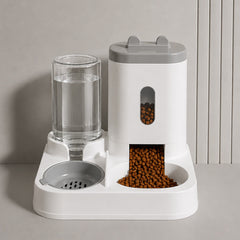
- A sealed container for dry food, so it stays fresh. A feeder with a container takes care of both storage and portions.

Walks
- A collar with an ID tag that has your phone number.
- A harness that fits your dog's size. Puppies grow fast, so choose an adjustable one.
- A leash and poop bags.
Rest and security
- A bed in a quiet spot where your dog can retreat.
- A crate or a baby gate if you want to close off an area for the first weeks.
Something to do
- A few chew toys, especially for puppies that are teething.
- A puzzle toy that lets your dog work for part of its food. It tires out the brain and gives your dog something to do while it's alone for a while.
Grooming
- A brush that suits your dog's coat, and nail clippers.
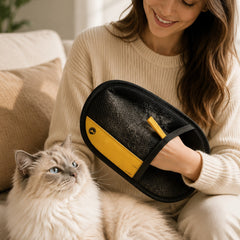
- Something that removes hair from the sofa and your clothes, like a grooming glove. You're going to need it.
The first days at home
- Take it easy. Let your dog explore at its own pace, and wait a few days before visitors and new places.
- Set routines right away. The same times for meals, walks and sleep help your dog feel safe faster.
- Start training early. House training, being alone for a short while and walking on a leash. Short sessions and lots of praise.
- Dog-proof your home. Cords, shoes, medicines, some plants and foods like chocolate, grapes and xylitol gum should be out of reach.
In short
Start with the formal things: microchip registration, license and rabies vaccination, insurance and a vet. Then get the basic gear and buy the rest as you go, once you know your dog and what it needs.